
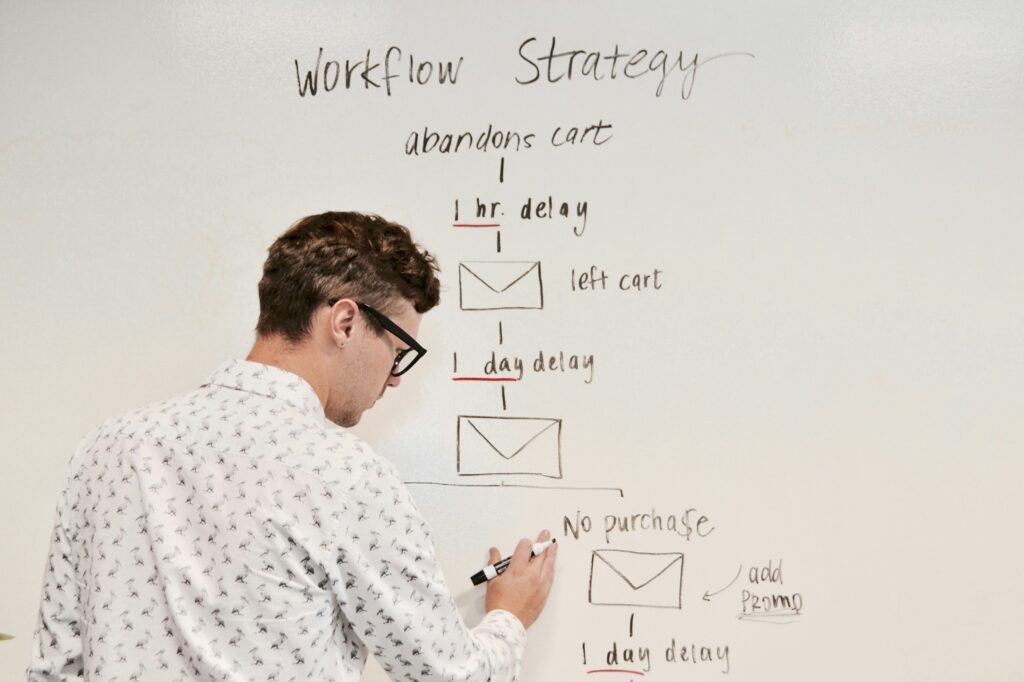
Growth doesn’t happen by accident, especially when it comes to sales. Companies that consistently achieve their revenue goals do so by being intentional—aligning their teams, resources, and campaigns around proven methods that attract, convert, and retain customers.
The right sales growth strategies are not only about boosting numbers; they are about creating a repeatable process that turns every customer interaction into a stepping stone for long-term success.
Imperia Consulting works closely with businesses to help them clarify objectives, identify gaps, and implement strategies that deliver measurable results. Their data-driven approach ensures that each campaign is built on insight, not guesswork, giving brands the confidence to execute with purpose and precision.
Below are practical techniques any business can use to build momentum, strengthen outreach, and maximize marketing efforts.
1. Align Sales and Marketing Teams
Sales growth starts with communication and alignment between sales and marketing teams. When both groups share data, collaborate on strategy, and work toward common goals, the result is a seamless customer experience that drives conversions.
To improve alignment, companies can:
- Host regular meetings to share campaign updates and sales feedback.
- Develop shared key performance indicators (KPIs) so both teams measure success in the same way.
- Use consistent messaging across outreach, promotional materials, and in-person events.
When sales and marketing work together as partners rather than separate departments, customers receive a consistent brand experience from first touchpoint to final purchase.
2. Focus on Customer-Centric Messaging
Every successful marketing campaign begins with understanding the customer’s needs and pain points. Businesses should avoid overly generic pitches and instead craft messaging that speaks directly to the challenges and goals of their audience.
Customer-centric campaigns are built by:
- Conducting surveys or interviews to uncover what matters most to buyers.
- Building buyer personas that reflect different customer types.
- Personalizing pitches and promotions based on demographics, location, or stage in the buyer journey.
This approach makes customers feel heard and understood, which increases engagement and boosts the likelihood of conversion.
3. Leverage Seasonal Opportunities
The calendar offers many natural opportunities for promotions, from back-to-school to the holidays. Businesses that plan ahead can create campaigns that capitalize on these peak seasons to drive significant revenue.
Holiday season sales jobs, for example, provide an excellent way to scale up teams during high-traffic months, ensuring customers receive timely service. Seasonal campaigns can include:
- Exclusive product launches or bundles available for a limited time.
- In-store events or demonstrations to create excitement.
- Special incentives for repeat customers, such as loyalty program bonuses.
By planning campaigns around high-demand periods, companies capture attention when customers are most ready to buy.
4. Train and Equip Your Sales Team
Even the best strategy falls flat without a skilled, motivated sales team to carry it out. Training ensures that representatives can confidently present products, answer objections, and close sales.
Key areas for sales training include:
- Communication and active listening skills.
- Product knowledge and value-based selling techniques.
- Time management and territory planning.
- Strategies for handling objections and closing deals effectively.
Continuous training keeps teams sharp and engaged, helping them deliver better results in the field.
5. Use Data to Guide Decisions
Data is one of the most powerful tools available for driving growth. Companies that measure performance consistently can spot trends, identify top-performing campaigns, and adjust tactics before small issues become costly problems.
Effective data usage includes:
- Tracking conversion rates and comparing them across campaigns.
- Monitoring customer feedback to improve messaging.
- Measuring return on investment (ROI) to ensure marketing dollars are spent wisely.
When data guides decisions, businesses operate with clarity, reducing wasted effort and maximizing impact.
6. Build Community Relationships
Strong relationships within local communities help businesses stand out from competitors who rely solely on digital channels. Retail marketing careers and event-based outreach offer excellent opportunities to meet customers face-to-face, build trust, and encourage word-of-mouth referrals.
Community engagement strategies may include:
- Sponsoring local events or fundraisers.
- Hosting community appreciation days at retail locations.
- Collaborating with other local businesses for cross-promotions.
These efforts create goodwill and position the brand as a trusted member of the community rather than just another business.
7. Create Incentives That Drive Action
Incentives are a proven way to motivate both customers and sales teams. Whether offering discounts, loyalty rewards, or recognition programs, incentives encourage faster decision-making and repeat business.
Popular options include:
- Limited-time offers that create urgency.
- Free gifts with purchase to increase transaction value.
- Referral rewards that encourage existing customers to bring in new ones.
Well-structured incentive programs benefit everyone: customers feel rewarded, and businesses enjoy higher sales volumes.
8. Optimize Your Sales Process
A complicated or inefficient sales process can frustrate customers and prevent growth. Streamlining how leads are captured, nurtured, and converted ensures a smooth experience that encourages repeat purchases.
Steps to optimize the process include:
- Removing unnecessary steps that slow down transactions.
- Providing clear next steps at every stage of the sales funnel.
- Ensuring all representatives follow the same process for consistency.
An efficient process keeps momentum high and helps teams handle more leads without sacrificing quality.
9. Invest in Leadership Development
Sales growth isn’t just about closing more deals—it’s about building teams that can sustain success over the long term. Developing leaders ensures that high performers are prepared to coach others, manage territories, and scale results.
Leadership development can involve:
- Offering mentorship programs for aspiring managers.
- Providing training on goal-setting, team management, and conflict resolution.
- Encouraging top performers to take on small leadership roles, such as leading team huddles.
These programs create a culture of accountability and prepare teams to handle growth effectively.
10. Continually Test and Improve
The most successful businesses treat sales growth as an ongoing process. Rather than sticking with a single approach, they regularly test new ideas, measure outcomes, and refine their techniques.
Ways to implement continuous improvement include:
- Running A/B tests on event pitches or promotional offers.
- Gathering feedback from team members after campaigns.
- Reviewing performance data monthly or quarterly to identify gaps.
This commitment to improvement helps businesses stay competitive and adjust quickly to market changes.
Turning Strategies Into Results
Adopting these sales growth strategies ensures businesses have a clear, actionable roadmap for driving revenue and strengthening customer relationships. By aligning teams, leveraging data, and staying focused on the customer experience, companies build systems that deliver consistent growth year after year.
Imperia Consulting specializes in guiding businesses through this process, offering insight-driven solutions that connect strategy with measurable outcomes. Their approach helps organizations move beyond guesswork and execute campaigns with confidence.
Building Resilience for Long-Term Success
Sustainable growth requires more than a strong quarter—it calls for building a business that can weather challenges and adapt to change. Companies should focus on strengthening their internal systems and preparing their teams for evolving customer expectations.
Key areas to focus on include:
- Diversifying revenue streams to reduce reliance on a single product or market.
- Investing in employee development to keep teams motivated and skilled even during slower sales periods.
- Maintaining strong customer relationships through regular follow-up and community presence, so loyalty remains high even when competitors push harder.
- Tracking market trends and staying flexible to shift strategies when new opportunities or challenges arise.
By embedding resilience into their strategy, businesses don’t just grow—they stay ahead of the competition and protect their progress against market shifts.
Take the Next Step Toward Growth
Growth doesn’t just happen—it’s built. If you’re ready to maximize your marketing efforts and create sustainable momentum, now is the time to act. Contact Imperia Consulting today to learn how these strategies can be customized for your business and turn every campaign into a driver of lasting success.